
The Timeless Charm of Traditional Limestone Tiling: A Complete Guide
When it comes to creating a home that feels grounded, elegant, and rich in character, few materials compete with traditional limestone tiling. Used for centuries in historic manor houses, rustic Mediterranean villas, and classic country cottages, this natural stone flooring remains a top choice for modern homeowners seeking an authentic, organic aesthetic.
But is limestone the right choice for your upcoming renovation? In this guide, we dive into the unique characteristics, practical benefits, and design variations of traditional limestone floor tiles to help you make the perfect choice for your space.
What Makes Limestone Flooring So Special?
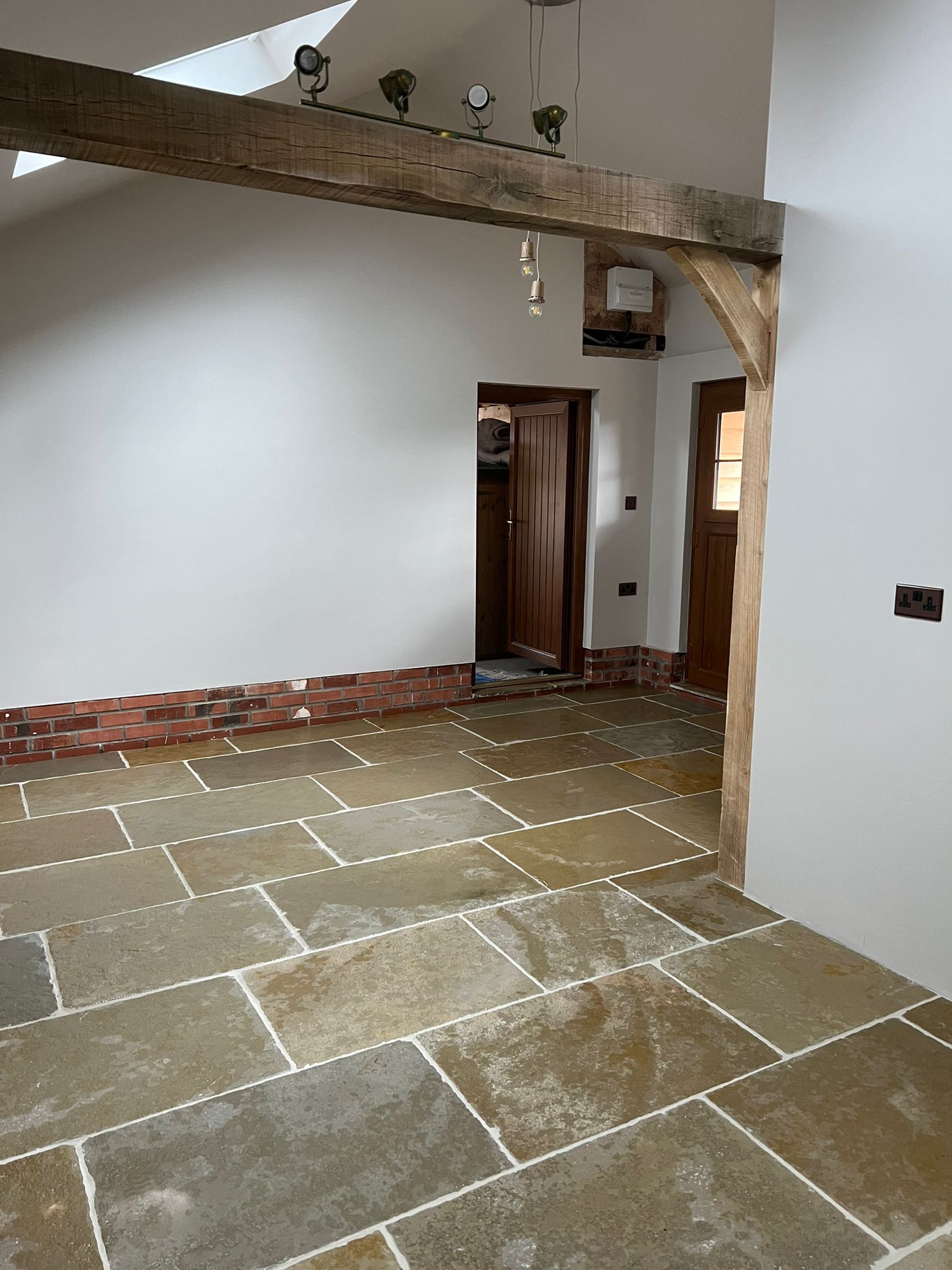
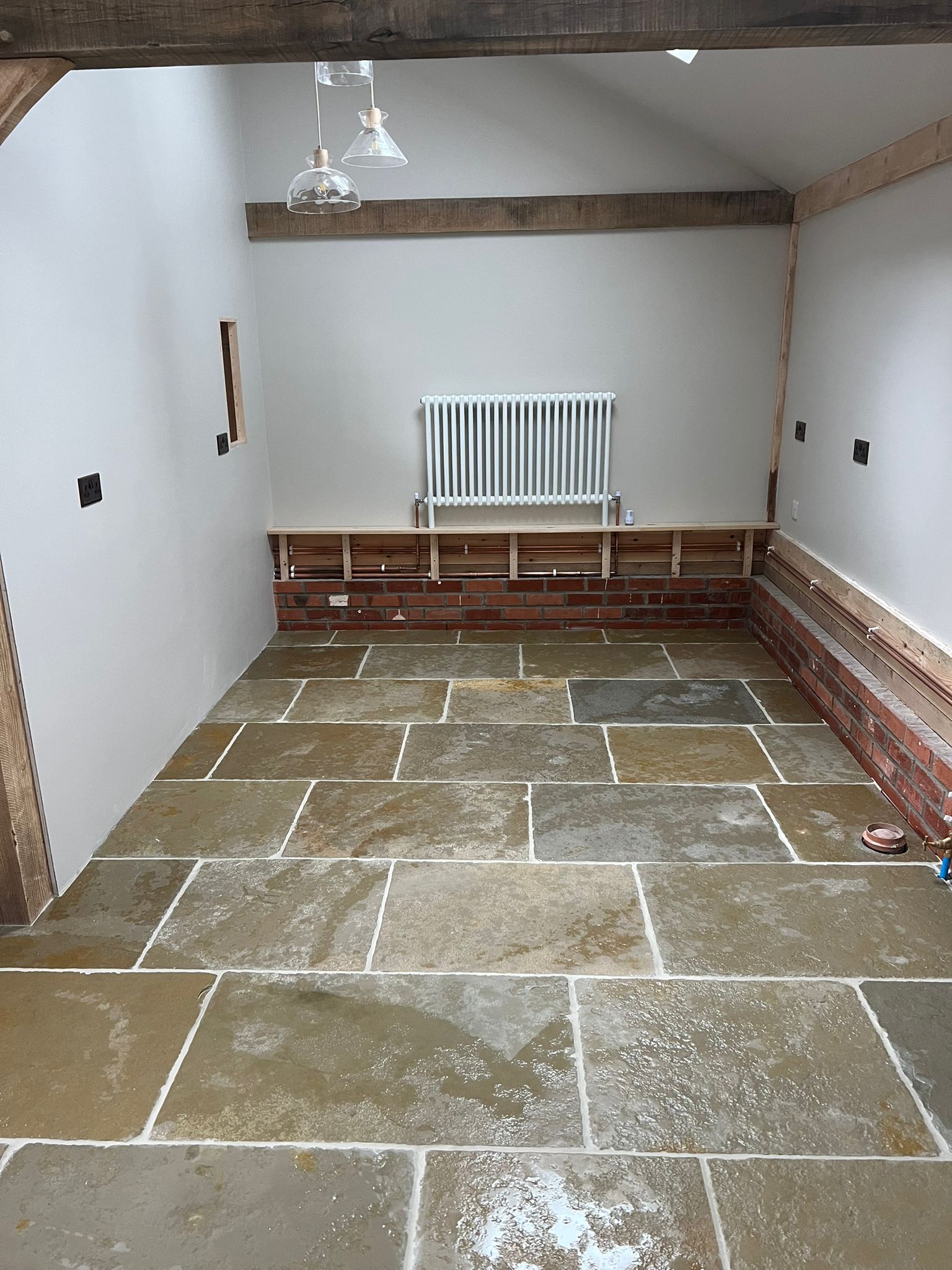
Limestone is a sedimentary rock formed millions of years ago in warm, shallow marine waters. Because it is a product of nature, no two tiles are ever identical. Every slab contains a unique story told through delicate veining, subtle shifts in earthy tones, and even tiny fossil fragments embedded deep within the stone.
Unlike sterile synthetic alternatives, traditional limestone tiles bring warmth and texture into a room. Over time, the stone develops a beautiful, subtle sheen—known as a patina—making it look even better as it ages.
Choosing the Right Finish for a Traditional Look
To achieve an authentic, time-worn look, the finish of your stone is crucial. For a traditional aesthetic, skip the high-gloss, polished options and focus on these classic textures:
-
Tumbled Limestone: The tiles are mechanically tumbled with stones or sand to create rounded edges and a soft, textured surface. This mimics decades of natural foot traffic.
-
Antiqued / Distressed: This process uses gentle brushing or acid washing to texture the surface, creating an uneven, lived-in feel that looks right at home in a country kitchen or hallway.
-
Honed: A smooth, matte finish that offers a slightly cleaner look while retaining the natural, non-reflective beauty of the stone.
The Practical Benefits of Limestone Tiling
Beyond its undeniable visual appeal, traditional limestone offers several practical advantages for high-traffic homes.
| Benefit | Why It Matters |
| Durability | While softer than marble or granite, high-density limestone can easily withstand decades of heavy daily foot traffic when properly sealed. |
| Thermal Efficiency | Natural stone is a brilliant conductor of heat. Limestone pairs perfectly with underfloor heating, retaining warmth beautifully during colder months while staying cool underfoot in the summer. |
| Property Value | Buyers look for longevity. Installing premium natural stone flooring is viewed as a high-end, permanent upgrade that adds tangible resale value to your home. |
Styling Your Limestone Flooring
Traditional limestone flooring is incredibly versatile, working seamlessly across a variety of interior design styles:
The Modern Farmhouse Kitchen
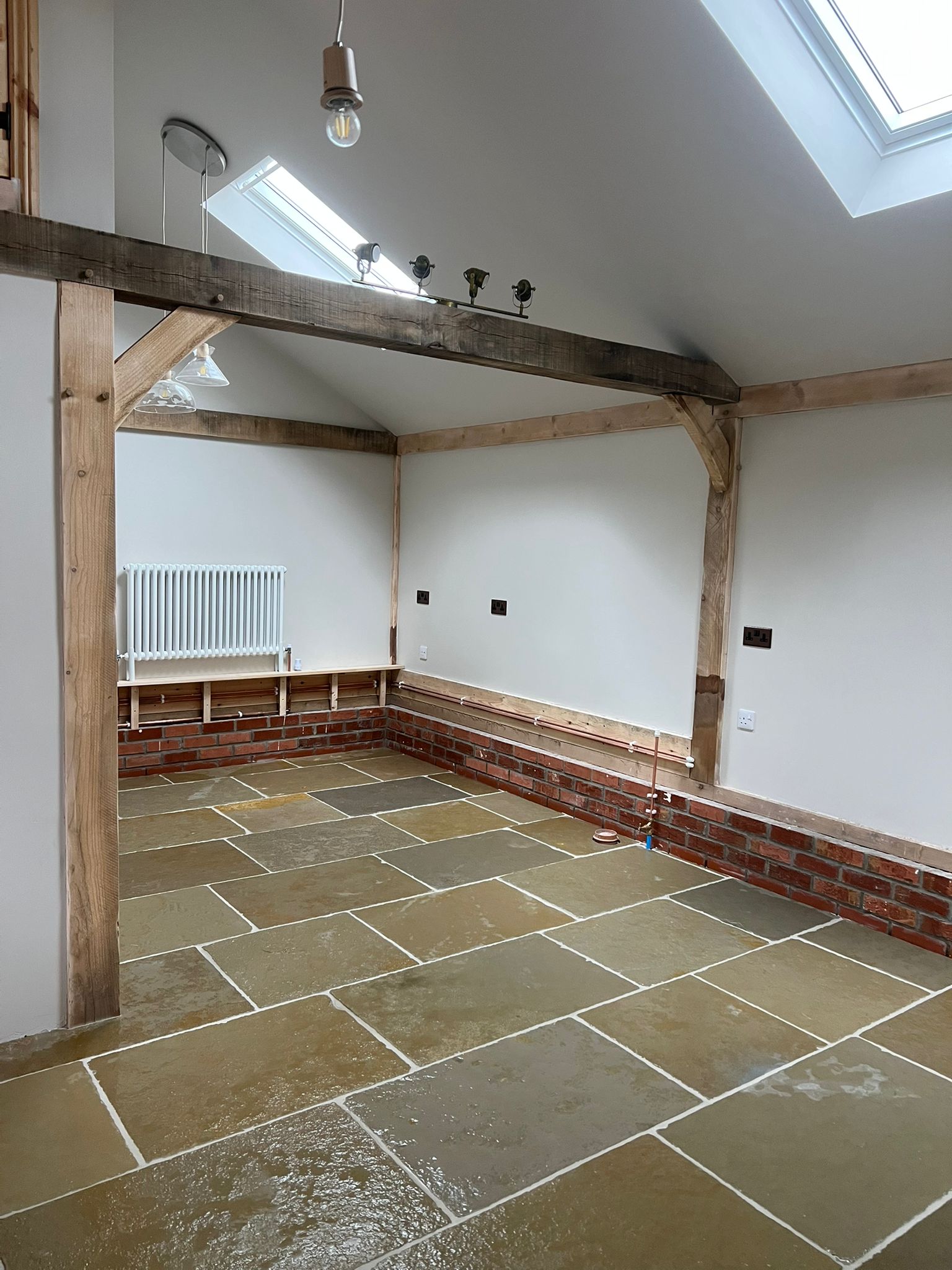
A tumbled limestone kitchen floor in large-format flags (such as $600 \times 900\text{ mm}$ sizes) provides a stunning foundation for shaker-style cabinets, exposed wooden beams, and a classic ceramic Belfast sink.
Seamless Indoor-Outdoor Living
Because many traditional limestones are frost-resistant, you can run the same tile from your kitchen or garden room directly onto your outdoor patio. This creates a striking, continuous visual extension that opens up your home.
Elegant Hallways & Boot Rooms
Muddy boots and damp paws are no match for a textured, antiqued limestone. Earthy grey, beige, or olive-toned stones hide everyday dust and dirt remarkably well.
Essential Limestone Tile Maintenance
A common misconception is that natural stone is high-maintenance. While it does require a bit more care than ceramic tiles, keeping limestone pristine is simple if you follow a few basic rules:
The Golden Rule of Stone Care: Always seal your limestone upon installation and use pH-neutral cleaners. Avoid acidic cleaners (like vinegar or bleach), which will etch and damage the surface of the natural stone.
-
Seal the Stone: Limestone is naturally porous. Applying a high-quality impregnating sealer blocks liquids from staining the tile while allowing the stone to breathe. Reseal every less than 3 to 5 years, depending on traffic.
-
Daily Cleaning: Sweep or vacuum up grit regularly to prevent micro-scratches. Wipe up spills immediately—especially acidic liquids like red wine, lemon juice, or tomato sauce.
-
Mopping: Use a damp microfiber mop with a dedicated natural stone soap. Avoid drowning the floor in excess water.
Ready to Elevate Your Space?
Traditional limestone tiling isn’t just a design trend; it’s a lifetime investment in your home’s character. Whether you are remodeling a period property or adding soul to a new build, these timeless stone tiles offer a blend of rugged durability and understated luxury that synthetic alternatives cannot replicate.
Frequently Asked Questions (FAQ)
- Q: Why did you use BAL Rapid-Mat for this Grimsby project?
- Q: Do I really need movement joints in my doorways?
- Q: Where can I buy 60x30 porcelain tiles in Grimsby?
- Q: How long does a professional porcelain tile installation take?
Q: Why did you use BAL Rapid-Mat for this Grimsby project?
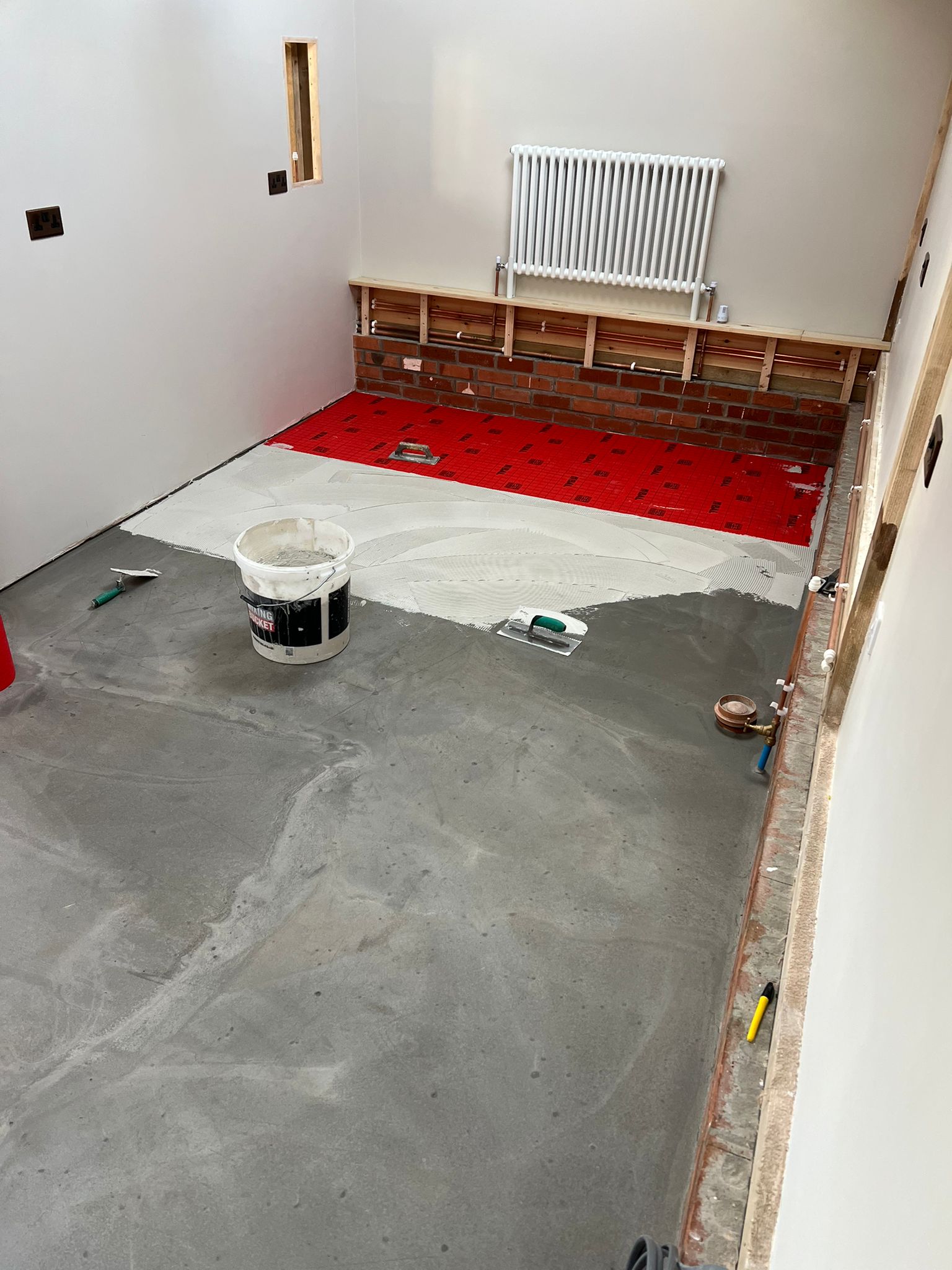
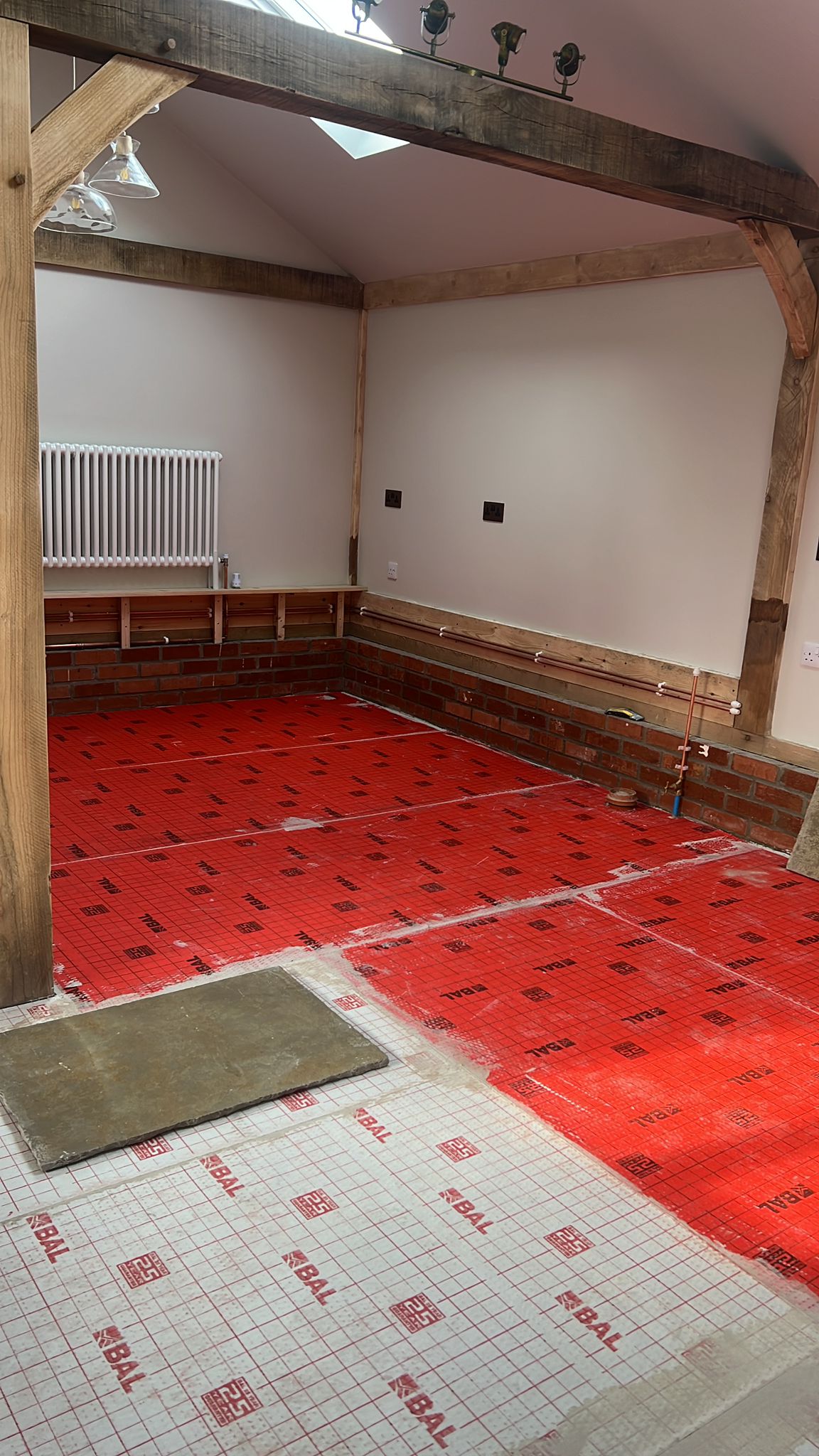
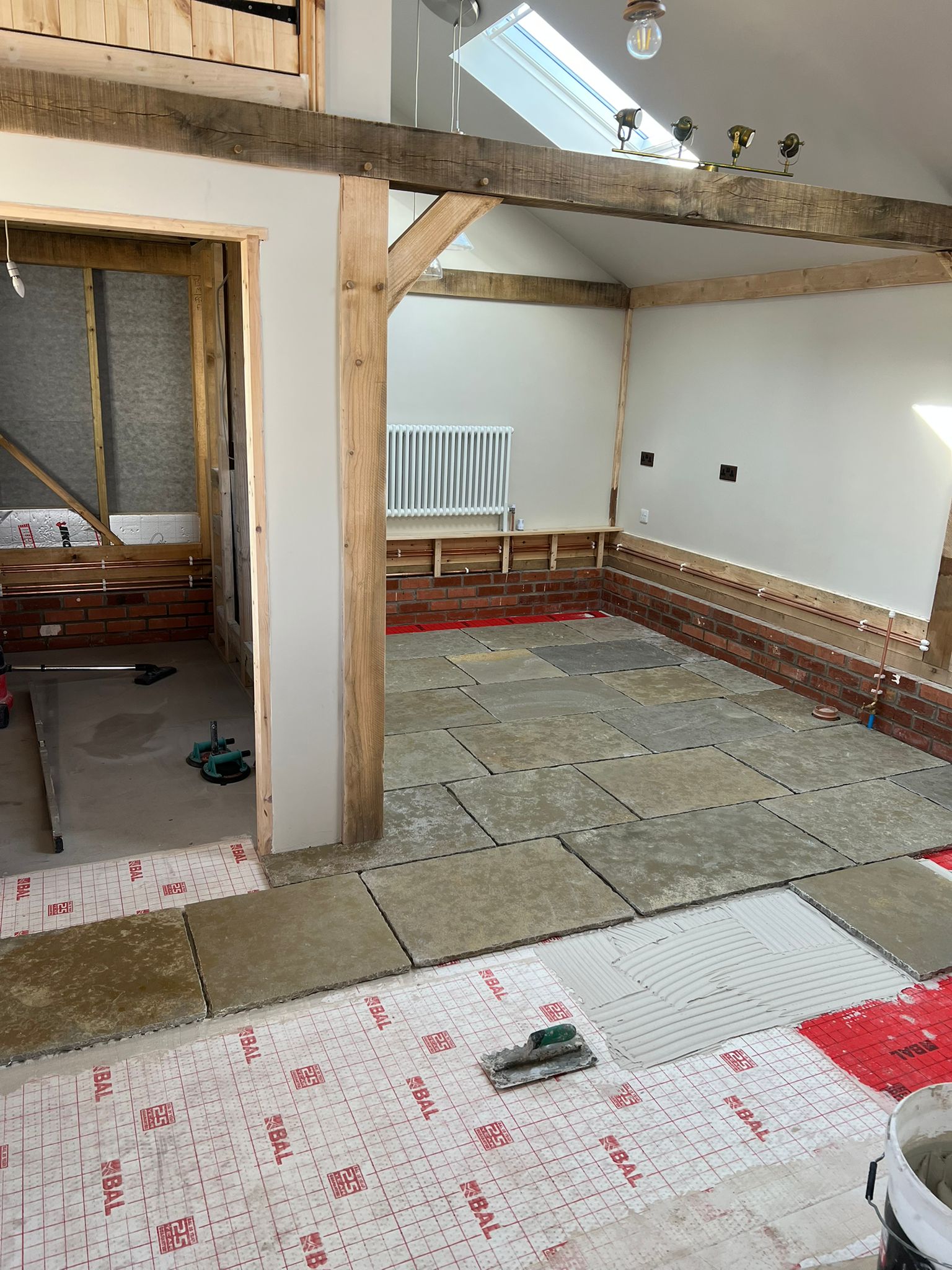
A: Porcelain tiles are incredibly dense and rigid. If the subfloor moves even slightly due to seasonal temperature changes, the tiles can crack. We used BAL Rapid-Mat because it is a professional-grade uncoupling membrane. It creates a “buffer” layer that absorbs lateral movement, ensuring your tiles stay perfectly intact even if the house settles.
Q: Do I really need movement joints in my doorways?
A: Yes! Doorways are natural “stress points” where different rooms or floor sections meet. Without a movement joint, the tiled surface is one giant, rigid sheet. Heat causes expansion, and without that tiny gap to breathe, the tiles can “tent” (lift up) or crack at the threshold. We install these as standard to meet British Standards and protect your investment.
Q: Where can I buy 60×30 porcelain tiles in Grimsby?
A: For this project, the materials were supplied by Topps Tiles Grimsby. They offer a fantastic range of porcelain and ceramic options. We are happy to work with tiles you’ve already purchased or provide guidance on which products from local Grimsby suppliers are best suited for your specific floor type.
Q: How long does a professional porcelain tile installation take?
A: Every job is unique, but a high-quality installation involves more than just laying tiles. It includes substrate preparation, matting installation, precision cutting, and curing time. For a standard-sized room in a Grimsby home, you can typically expect the process to take 3 to 5 days to ensure the adhesive and grout are fully set.
CALL OR MESSAGE NOW
Ready for a Floor That Lasts a Lifetime?
Don’t leave your renovation to chance. Whether you’ve already picked out your tiles from Topps Tiles Grimsby or you’re just starting to plan your space, expert preparation is the key to a crack-free finish.
[Get Your Free, No-Obligation Quote]
Call our friendly team today at 07590 022560 or use our live chat button to discuss your porcelain tiling project.
Let’s build something beautiful together.